
Introduction: Why River Rafting in India is the Adventure of a Lifetime
There’s a moment — right before your raft crashes into a wall of white water — when everything becomes perfectly, terrifyingly clear. The cold spray hits your face, the roar of the river drowns out every other sound in the world, and your paddle becomes the only thing standing between you and the churning rapids below. That moment is what river rafting is all about.
India, with its extraordinary geography, is one of the most diverse and thrilling river rafting destinations on the planet. From the snow-fed rivers descending from the Himalayas to the wild, rain-swollen rivers cutting through the Western Ghats, this country offers rafting experiences that can satisfy a nervous first-timer stepping into a raft for the very first time, and a seasoned adrenaline junkie looking for the next serious challenge.
Whether you’re planning river rafting in Rishikesh — the undisputed capital of river rafting in India — or looking to explore the lesser-known wonders of Kolad river rafting, Dubare river rafting, or river rafting in Coorg, this comprehensive guide has everything you need. We’ll walk you through every major destination, break down Rishikesh river rafting price options, explain the best seasons, cover what to pack, and share insider tips that will make your rafting trip unforgettable for all the right reasons.
Buckle up. The river is calling.
What is River Rafting? A Beginner’s Primer
River rafting — also known as white-water rafting — is an outdoor recreational activity that involves navigating a river on an inflatable raft. Rivers are graded on a scale from Grade I (easy, calm water with small waves) to Grade VI (extremely dangerous, near-impossible to navigate safely), and different destinations in India offer different grades to suit different levels of experience.
The sport requires teamwork, a willingness to get wet, a dash of courage, and ideally, a sense of humour for when things go sideways — literally. Most commercial rafting experiences include a trained guide who steers the raft from the rear and coaches you through how to paddle, when to hold on, and (hopefully) how to stay in the boat.
River rafting is accessible to almost everyone. Most reputable operators require participants to be at least 14 years old and able to swim, though life jackets are always provided and most trips don’t actually require you to be a strong swimmer. Medical conditions like heart disease or severe back problems are typically contraindicated, so always consult your doctor if you have concerns.
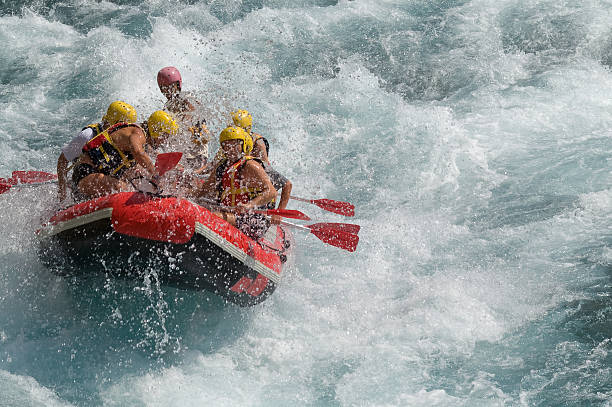
River Rafting in Rishikesh: India’s White-Water Capital
If there is one destination that has put India on the global river rafting map, it is Rishikesh. Nestled in the foothills of the Garhwal Himalayas in Uttarakhand, Rishikesh is where the Ganges rushes down from the mountains with extraordinary force, creating some of the most exhilarating white-water rapids in Asia.
Why Rishikesh is the Best for River Rafting in India
River rafting in Rishikesh combines everything a great adventure needs: powerful rapids, spectacular mountain scenery, a rich cultural backdrop, and an established infrastructure that makes the entire experience safe and accessible. The town has been the country’s premier rafting hub for decades, with dozens of licensed operators, professional guides, and stretch options ranging from short 9-km introductory runs to full-day 36-km expeditions.
The Ganges at Rishikesh carries the energy of the Himalayas themselves. The water is fast, clear, and cold, and the rapids are named with legendary flair — Roller Coaster, Golf Course, Club House, Daniel’s Dip, Return to Sender, and the infamous Three Blind Mice are among the most well-known. Each rapid has its own personality, and experienced guides love narrating their quirks as you approach.
The Different Stretches: Rishikesh River Rafting Price Guide
Rishikesh river rafting is typically divided into several stretches based on the launch point and the distance covered. Understanding these stretches is key to planning your experience and budget.
Brahmapuri to Rishikesh (9 km) — Grade I–II This is the gentlest stretch, perfect for first-timers or families with young children. The rapids are mild, the scenery is beautiful, and the experience gives you a feel for the river without overwhelming you. Rishikesh river rafting price for this stretch typically ranges from ₹600 to ₹800 per person.
Shivpuri to Rishikesh (16 km) — Grade II–III This is the most popular stretch for the majority of visitors. It includes some of the most famous rapids — Marine Drive, Crossfire, Three Blind Mice, Golf Course, Club House, and Roller Coaster. It strikes the perfect balance between excitement and accessibility. Rishikesh river rafting price here is usually ₹1,000 to ₹1,500 per person.
Marine Drive to Rishikesh (26 km) — Grade III–IV For those wanting a longer, more immersive experience, this stretch adds Daniel’s Dip and a few other technical rapids to the mix. Most packages for this stretch include a beach camp lunch. Expect to pay ₹1,500 to ₹2,000 per person.
Kaudiyala to Rishikesh (36 km) — Grade IV–V This is the most challenging commercial stretch available in Rishikesh and is intended for experienced rafters. It includes Return to Sender — one of India’s most thrilling rapids — and requires a full day on the water. Prices range from ₹2,500 to ₹4,000 per person.
Best Season for River Rafting in Rishikesh
The rafting season in Rishikesh runs from mid-September to mid-June, with the sweet spot being October–November and February–May. Rafting is suspended during the monsoon months (July to mid-September) as the Ganges rises to dangerous, life-threatening levels. The winter months of December and January offer rafting but are intensely cold — not for the faint-hearted.
Tips for Rishikesh River Rafting
- Always book through a licensed operator approved by the Uttarakhand Tourism Department. Cheap, unlicensed operators cut corners on safety equipment.
- Listen carefully to the safety briefing. It’s not just a formality — it could save your life.
- Don’t wear cotton. Wear quick-dry fabrics and secure your sunglasses with a strap.
- Carry a dry bag for your phone and valuables. Most operators provide these.
- Combine your rafting trip with camping on the riverbank for a truly magical overnight experience.

Dandeli River Rafting: Karnataka’s Hidden Gem
While Rishikesh dominates the conversation, Dandeli river rafting has quietly built a devoted following among travellers from Goa, Bangalore, Pune, and Mumbai looking for a more offbeat adventure closer to home.
Dandeli is a small wildlife sanctuary town in the Uttara Kannada district of Karnataka, sitting at the edge of the Kali River (also called the Kalinadi). The river here is wild, dense rainforest lines its banks, and the experience of rafting through this lush corridor — surrounded by the calls of birds and the rustle of the jungle — is unlike anything you’ll find in the north.
The Kali River Experience
River rafting in Dandeli takes place on the Kali River, which offers rapids ranging from Grade II to Grade IV, depending on the season and water levels. The most popular stretch covers approximately 9 km and takes around 3–4 hours. The rapids bear evocative names like Crocodile Pool, Devil’s Elbow, and Sixer, and the guides are deeply familiar with the river’s temperament in every season.
What makes Dandeli river rafting particularly special is the eco-tourism context. The surrounding Dandeli-Anshi Tiger Reserve is one of the most biodiverse forest ecosystems in India, home to tigers, leopards, gaur, sloth bears, kingfishers, hornbills, and over 300 species of birds. It’s not uncommon to spot wildlife along the riverbank as you raft through the jungle.
Best Season for Dandeli River Rafting
October to May is the ideal window, with December to February being peak season due to the cool weather. The monsoon season, while spectacular in terms of jungle scenery, brings the river to unsafe levels and most operators suspend services. Some operators do run rafting during the pre-monsoon months (May–June) when water levels are still manageable, making for a more thrilling experience.
Dandeli River Rafting Price
Dandeli river rafting packages typically cost ₹800 to ₹1,500 per person for a half-day experience. Most operators bundle rafting with kayaking, jungle safaris, and overnight camping in the forest, and these multi-activity packages range from ₹2,500 to ₹6,000 per person. Given the biodiversity and atmosphere, Dandeli represents extraordinary value.
Kolad River Rafting: Maharashtra’s Weekend Escape
Ask any adventure enthusiast in Pune or Mumbai about their favourite weekend getaway, and Kolad is almost certain to be on the list. Kolad river rafting on the Kundalika River is one of the most accessible white-water experiences in India — just 3–4 hours from both cities — and it punches well above its weight in terms of excitement.
The Kundalika River: India’s Fastest Flowing River
What makes Kolad river rafting extraordinary is the fact that the Kundalika is a dam-fed river. This means the water levels are controlled and consistent, unlike monsoon-dependent rivers elsewhere. When the Bhira Dam releases water (typically in the mornings), the Kundalika transforms into a fast, powerful, and remarkably consistent white-water experience. In fact, the Kundalika has been described as one of the fastest flowing rivers in India during these release periods.
The rafting stretch at Kolad is approximately 14 km and takes around 2.5–3 hours. It features a series of Grade III–IV rapids that keep you on your toes throughout. The scenery is gorgeous — thick Sahyadri forest on both sides, the air heavy with moisture and birdsong, and the sky above a dramatic canvas of monsoon clouds.
When to Go for Kolad River Rafting
Here’s what makes Kolad special: unlike most rafting destinations in India, Kolad river rafting is available year-round, including during the monsoon. The dam controls the water levels, making it consistently safe even when it’s raining. The monsoon season (June to September) is actually when Kolad is at its most atmospheric and dramatic — the jungle turns electric green, the air is fragrant, and the river is a glorious rush of power. This makes Kolad a rare year-round adventure destination.
However, the dam may not release water every day, so it’s important to check water release schedules before planning your trip.
Kolad River Rafting Price
Kolad river rafting costs around ₹800 to ₹1,200 per person for the standard 14-km stretch. Many operators in Kolad have set up riverside camps that include white-water rafting, kayaking, rappelling, and zipline, with overnight camping packages ranging from ₹2,000 to ₹4,000 per person.
River Rafting in Manali: The High-Altitude Thrill
River rafting in Manali is an experience in an entirely different league — not necessarily because the rapids are the most extreme, but because of the setting. The Beas River here descends from some of the highest mountains on earth, and rafting on it is to feel genuinely, profoundly small against the grandeur of the Himalayas.
The Beas River Rafting Experience
River rafting in Manali takes place on the Beas River, with the most popular stretch running from Pirdi to Jhiri (14 km) and offering Grade II–IV rapids. The water is glacier-cold — sometimes literally snow-melt — and the landscape is dramatic: pine forests, steep rocky cliffs, apple orchards, and snow-capped peaks overhead.
The rapids on the Beas include names like Headbanger, Terminator, Cross Fire, and Black Rock, and while the river isn’t as long or as technically demanding as some Rishikesh stretches, the combination of altitude, cold water, and mountain scenery makes it a uniquely electric experience.
Best Season for River Rafting in Manali
The rafting season in Manali runs from May to October, with July and August (monsoon season) being the most exciting — the Beas swells with snowmelt and rainfall, creating more powerful rapids. June is ideal for those wanting strong rapids without the full monsoon unpredictability. The river freezes in winter, so rafting is not possible from November to April.
Manali Rafting Prices
River rafting in Manali costs approximately ₹600 to ₹1,200 per person depending on the stretch chosen. Full-day packages including lunch and multi-sport activities run ₹2,000–₹3,500 per person.
River Rafting in Kullu: Where the Beas Gets Serious
Just 40 km downstream from Manali, river rafting in Kullu takes the Beas experience to a higher level. The Kullu Valley is where the river becomes broader, faster, and more technically demanding, and it’s here that the Beas truly earns its reputation as a world-class rafting river.
Kullu vs. Manali Rafting: What’s the Difference?
While river rafting in Manali focuses on shorter stretches suitable for most adventure tourists, river rafting in Kullu covers longer, more challenging distances. The most popular stretch in Kullu runs from Bajaura to Jhiri (14 km) or the longer Pirdi to Jhiri stretch, featuring rapids of Grade III–IV+. During peak monsoon, some sections can rise to Grade V, making Kullu a destination that even experienced rafters approach with respect.
The Kullu Valley itself is one of the most beautiful in the Himalayas — apple orchards, ancient temples, deodar forests, and the dramatic Rohtang Pass in the backdrop. Many travellers combine river rafting in Kullu and Manali into a single multi-day Himachal Pradesh adventure.
Best Season and Prices for Kullu Rafting
The season mirrors Manali: May to October, with July to September offering the most powerful water. Prices for river rafting in Kullu range from ₹800 to ₹1,500 per person.

Dubare River Rafting: Jungle Thrills in Coorg
Tucked deep in the coffee-scented hills of Karnataka, Dubare river rafting is one of South India’s finest outdoor experiences. The Kaveri River at Dubare (also spelled Dobare) flows through the heart of the Coorg forest, and rafting on it combines white-water excitement with rich wildlife and the intoxicating aroma of spice and coffee plantations.
The Kaveri at Dubare
Dubare is best known in India as an elephant camp — the Karnataka Forest Department’s famous elephant habitat — but its river rafting credentials are equally impressive. The Kaveri here is a powerful, swift-moving river with rapids ranging from Grade II to Grade III, making it suitable for beginners and intermediate rafters alike.
The 8-km stretch typically takes 2–3 hours and includes several exciting rapid sections interspersed with calm, glassy pools where you can drift, look up at the forest canopy, and spot birds like kingfishers, cormorants, and grey herons wading at the edges. It’s a beautifully holistic experience.
Best Season for Dubare River Rafting
October to February is the best season for Dubare river rafting, with the post-monsoon months (October–December) offering full, energetic rivers and lush green surroundings. Summer (March–May) is also good but can be hot. Rafting is suspended during the monsoon.
Dubare River Rafting Price
Dubare river rafting costs around ₹700 to ₹1,200 per person. Combined packages with elephant camp visits, jungle trekking, and overnight stay at a riverside camp are extremely popular and cost ₹2,500–₹5,000 per person.
River Rafting in Coorg: Beyond Dubare
Coorg (Kodagu) as a region offers more than just Dubare river rafting. The entire district is laced with rivers and streams descending from the Western Ghats, and several other rafting experiences have opened up in recent years.
The Barapole River, flowing through Nagarhole National Park, offers a wild, less-commercialized rafting experience for those willing to venture deeper into the jungle. The rapids here are unpredictable and exciting, and the surrounding forest is home to elephants, leopards, and a dazzling range of birdlife.
River rafting in Coorg is best experienced as part of a wider Coorg itinerary that includes visiting the famous Abbey Falls, exploring coffee and spice estates, and hiking through misty hills. The region’s hospitality is second to none, with a food culture built around pork curries, bamboo shoot dishes, and the local Kodava rice wine called paaputt.
River Rafting in Dandeli vs. Coorg vs. Dubare: Which Should You Choose?
If you’re in South India trying to decide between these three destinations, here’s a quick comparison:
Dandeli is best for those who want the full eco-adventure experience with wildlife, jungle camping, and a wide range of activities beyond rafting. The Kali River is more powerful and the rapids more technical. Best for adventure seekers.
Coorg/Dubare is best for those who want a more relaxed and culturally rich experience. The Kaveri is gentler, the surroundings are stunning, and you can easily combine rafting with a coffee estate tour, elephant encounters, and hill walking. Best for couples, families, and first-timers.
Kolad (Maharashtra) sits in a separate category as India’s only true year-round rafting destination, thanks to the dam-controlled water. Best for those who want maximum flexibility of travel dates.
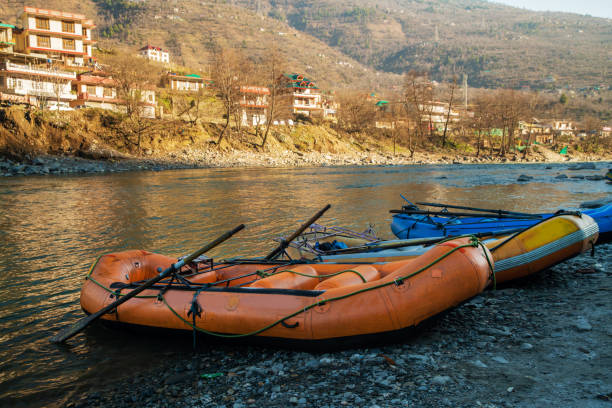
How to Choose the Right River Rafting Destination for You
With so many incredible options across India, how do you pick the right one? Here’s a simple framework:
Experience Level: Complete beginners should start with Rishikesh (Brahmapuri or Shivpuri stretch), Kolad, or Dubare river rafting. Intermediate rafters will love river rafting in Kullu, the full Rishikesh Marine Drive stretch, or Dandeli. Advanced/experienced rafters should aim for Kaudiyala–Rishikesh, Kullu during peak monsoon, or seek out specialist operators for Grade V+ expeditions.
Geography/Starting Point:
- North India travellers: Rishikesh river rafting is the gold standard; add river rafting in Kullu or Manali for a Himachal extension.
- South India travellers: Dubare river rafting and river rafting in Coorg for Karnataka; Dandeli for a more adventurous option.
- West India travellers: Kolad river rafting is ideal for Mumbai/Pune residents.
Season: Check the season carefully. Most Himalayan rivers run from May/September to June, while South Indian rivers are best between October and February. Kolad alone operates year-round.
Budget: Rishikesh river rafting price is the most competitive given the infrastructure. South Indian destinations offer moderate pricing. Kullu and Manali are mid-range. Always compare what’s included — meals, equipment, transport, and camping.
What to Pack for River Rafting in India
Packing right can make the difference between a great day and a miserable one. Here’s what experienced rafters recommend:
Clothing: Wear synthetic, quick-dry shorts and a moisture-wicking t-shirt. Avoid denim — wet jeans are heavy and uncomfortable. In cold mountain rivers (Manali, Kullu, high-altitude Rishikesh in winter), a wetsuit is non-negotiable and most operators provide them.
Footwear: Wear closed-toe shoes or sandals with straps that won’t come off in the water. Old sports shoes or river sandals work perfectly. Flip-flops are dangerous — they’ll be ripped off by the first rapid.
Eyewear: Attach sunglasses with a floating strap. Losing expensive sunglasses to a river is heartbreakingly common among first-timers.
Sun Protection: Water reflects UV radiation intensely. Apply waterproof sunscreen generously, especially on your face, neck, and arms. A buff or hat helps if you’re doing a long stretch.
Dry Bag: Most operators provide dry bags for phones and valuables. Still, bring a small personal dry bag for any medication, a spare set of keys, or cash.
What NOT to Bring: Leave jewellery, expensive watches, and anything irreplaceable at your accommodation. Assume everything will get soaked.
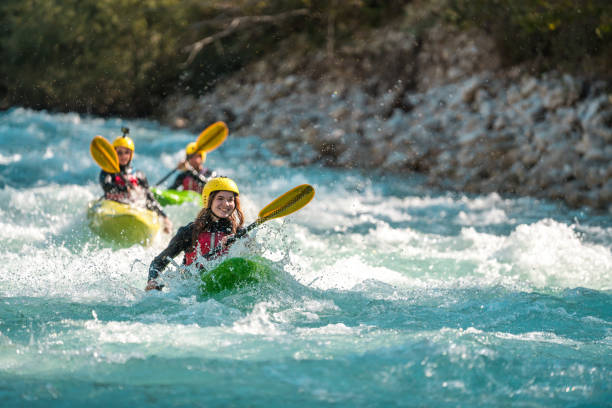
River Rafting Safety: Everything You Need to Know
Adventure and safety are not opposites — they are partners. The safest rafting experiences are those where both the operator and the rafter take safety seriously.
Choose Licensed Operators Only: In India, reputable rafting operators should be registered with the state tourism department and follow the Adventure Tour Operators Association of India (ATOAI) guidelines. Never compromise on this, especially when booking Rishikesh river rafting or any Grade IV+ experience.
Safety Equipment: Always insist on: a properly fitted PFD (personal flotation device/life jacket) graded for white water, a certified helmet, and a paddle. Wet suits should be provided in cold-water environments.
The Safety Briefing: Pay close attention. The guide will explain how to hold the paddle, the commands they’ll use (“forward,” “back,” “high side”), and what to do if you fall in — swim defensively on your back with feet pointing downstream. This 10-minute briefing could be the most important information you receive all trip.
Know Your Limits: Don’t attempt Grade IV or V rapids if you’re a beginner. There’s no shame in choosing a gentler stretch. River rafting is most enjoyable when it challenges you just enough — not when it terrifies you beyond your comfort zone.
Medical Considerations: People with heart conditions, epilepsy, high blood pressure, or recent surgeries should consult a doctor before rafting. Pregnant women should avoid white-water rafting entirely. Most operators will ask you to sign an indemnity form disclosing medical conditions — answer honestly.
Multi-Day River Rafting Expeditions in India
For those who want to go beyond the typical half-day or full-day experience, India offers several extraordinary multi-day rafting expeditions that combine camping, trekking, and extended river journeys.
Rishikesh River Camping: Many operators run 2–3 day packages that include multiple rafting stretches, camping on sandy riverbanks under a star-filled Himalayan sky, campfire evenings, and full-board meals. This is one of India’s best adventure travel experiences and particularly popular during the festive season.
Zanskar River Expedition, Ladakh: The Zanskar River in Ladakh is one of the most remote and spectacular rafting rivers in the world. Multi-day expeditions here run through deep gorges carved into the Himalayan plateau, with camping at primitive river beaches. This is Grade III–IV+ territory and not for beginners — but for experienced rafters, it’s a bucket-list experience.
Tons and Bhagirathi Rivers, Uttarakhand: North of Rishikesh, expeditions on the Tons and Bhagirathi rivers offer serious Grade IV–V white water in truly wild settings, often requiring 4–8 days of river travel.

River Rafting in India with Family: What You Need to Know
River rafting is one of those rare activities that, done right, can be a genuinely magical family experience. Here are the key things to keep in mind if you’re planning a family rafting trip.
Age and Height Requirements: Most operators have a minimum age of 14 for standard stretches, though gentler stretches (like the Brahmapuri section in Rishikesh) may accept children as young as 12. Dubare river rafting and Kolad river rafting are generally family-friendly with appropriate supervision.
Swimming Ability: Children should know how to float and stay calm in water. The life jacket does the heavy lifting, but some basic comfort in water is important.
Operator Briefings: Ensure the operator offers a thorough briefing for children specifically. Good guides know how to engage young rafters and keep them calm and excited rather than panicked.
Best Destinations for Families: Dubare river rafting (Grade II–III) and Brahmapuri–Rishikesh (Grade I–II) are the two most family-friendly options in India. Kolad is excellent for older children (14+). Avoid Kullu or Kaudiyala stretches for young children.
Planning Your River Rafting Trip: Practical Tips and Booking Advice
Book in Advance: Peak season (October–February for South India, March–May for Rishikesh) books up fast. For Rishikesh river rafting especially, weekend slots can fill up weeks in advance during high season. Book through verified operators online.
Group Discounts: Most operators offer significant discounts for groups of 8 or more. If you’re travelling with a large group of friends or colleagues, always negotiate.
Photography: Many operators now offer GoPro waterproof camera packages where a guide films your entire rafting experience. These make for incredible videos and are worth the extra cost (typically ₹300–₹800 extra). Some even include drone photography at scenic points.
Combine Activities: The best adventure trips combine rafting with complementary activities. At Dandeli, add a jungle safari. At Coorg, pair Dubare river rafting with a coffee estate tour. In Rishikesh, combine rafting with bungee jumping, zip-lining, or a yoga retreat. In Kullu, add paragliding from Billing — one of the world’s top paragliding sites.
Respect the River: Finally, and most importantly: respect the river. Don’t throw garbage into the water. Follow your guide’s instructions. Don’t attempt to navigate on your own without proper training. The river is not a theme park attraction — it is a living, powerful natural force that deserves humility and reverence.

Quick Reference: River Rafting in India at a Glance
| Destination | River | Grade | Best Season | Price (per person) |
|---|---|---|---|---|
| River Rafting in Rishikesh | Ganges | I–V | Sep–Jun | ₹600–₹4,000 |
| Dandeli River Rafting | Kali | II–IV | Oct–May | ₹800–₹1,500 |
| Kolad River Rafting | Kundalika | III–IV | Year-round | ₹800–₹1,200 |
| River Rafting in Manali | Beas | II–IV | May–Oct | ₹600–₹1,200 |
| River Rafting in Kullu | Beas | III–V | May–Oct | ₹800–₹1,500 |
| Dubare River Rafting | Kaveri | II–III | Oct–Feb | ₹700–₹1,200 |
| River Rafting in Coorg | Kaveri/Barapole | II–III | Oct–Feb | ₹700–₹1,200 |
| River Rafting in Dandeli | Kali | II–IV | Oct–May | ₹800–₹1,500 |
Conclusion: Ride the River, Find Your Adventure
India’s rivers are some of the most diverse, dramatic, and thrilling on the planet. From the sacred, snow-fed Ganges in Rishikesh to the jungle-dark Kali in Dandeli, from the dam-controlled power of the Kundalika at Kolad to the elephant-country Kaveri at Dubare, every river tells a different story — and every rafting experience is a chapter you’ll carry with you long after you’ve towelled off and headed home.
River rafting in Rishikesh will always be the headline act, the experience that belongs on every Indian adventurer’s bucket list. But don’t stop there. River rafting in Kullu and Manali offer the Himalayas in their rawest form. Dandeli river rafting and river rafting in Coorg offer the wild, green heart of the Western Ghats. Kolad river rafting offers convenience and consistency. And Dubare river rafting offers something rarer still: the feeling of gliding through a living, breathing ecosystem that reminds you exactly why adventure travel matters.
Whatever your level, whatever your budget, whatever the season — there is a river in India waiting for you. Go find it.
Enjoyed this guide? Pin it, share it, and leave a comment below telling us your favourite river rafting experience in India. We’d love to hear your story.